Hello More Than Gardeners,
(Here’s our newsletter from November 3rd. We’ve had some rain recently, but these end-of-season watering tips are still important.)
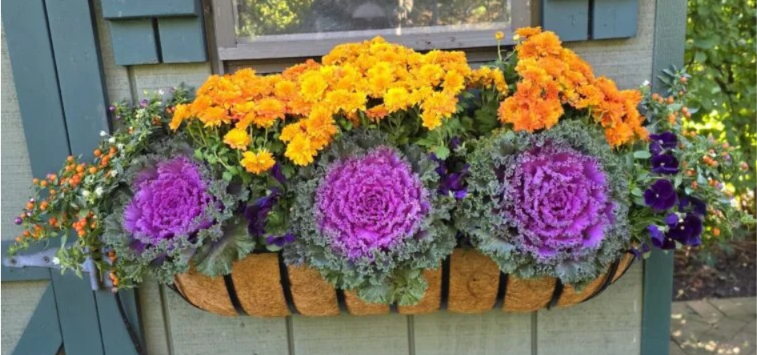
November is here, and our crews have been busy from morning to evening! Most of our days are filled with fall cleanups, and this week we’re still planting cool-season annuals and perennials. This fall has been unusually dry on Long Island. We’ve had very little rain, and temperatures haven’t dropped enough for plants to stop needing water. The leaves may be changing, and the garden may look like it’s winding down, but underground, your plants are still very much alive and working hard.
Important Reminder: Please Keep Watering
Please keep your irrigation system running for now. With so little rain, your plants still depend on regular watering.
Already turned your system off? No problem. Please water your plants by hand until we get steady rain or colder weather. You’ll find simple guidelines below.
Still need a fall cleanup? We have a few openings left for late November. Contact us soon, and we’ll do our best to fit you into our schedule before the season ends.
Why Fall Watering Matters
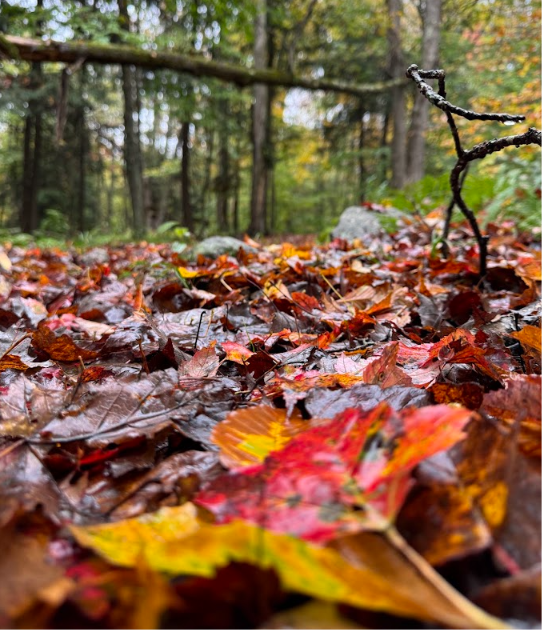
It’s easy to think the garden doesn’t need much attention once summer ends. In reality, fall is when many plants do some of their most important work, and water plays a big part in it.
Roots Are Still Growing
Soil holds its warmth much longer than the air does. Even on cool days, roots continue growing until the soil approaches freezing temperatures. During this time, trees, shrubs, and perennials develop the root systems that help them survive winter and support healthy growth next spring. Dry soil slows root development just when plants need it most.
Evergreens Need a Drink Before Winter
Evergreens like boxwood, holly, rhododendron, azalea, mountain laurel, and arborvitae keep their foliage throughout winter. This means they continue losing moisture even when the weather is cold.
Once the ground freezes, their roots can no longer easily replace that lost moisture. The result can be winter burn, which causes brown, dried-out foliage that often becomes noticeable in late winter or early spring. The best protection is simple: make sure your evergreens enter winter well-watered.
New Plantings Are the Most Vulnerable
Anything planted this year, including trees, shrubs, perennials, and the annuals we’re planting now, has a developing root system that may not yet reach deeper sources of moisture. These plants need regular watering throughout fall and until the ground freezes.
How Much and How Often Should You Water?
Here are some general guidelines for Long Island gardens during a dry fall:
Established garden beds, shrubs, and lawns: Aim for about 1 inch of water per week, including rainfall. During dry weather, one deep watering may be sufficient, although some plants and soil types may need more frequent watering.
New plantings from this season: Water deeply as needed, often 2 to 3 times per week during dry weather. Focus on the root ball, and adjust according to soil moisture and rainfall.
Newly planted trees: Give them a slow, deep soak once or twice a week during dry periods. A hose on a slow trickle for 20 to 30 minutes can work well, depending on the tree’s size and soil conditions.
Containers and window boxes: Check every 2 to 3 days. Pots dry out much faster than garden beds, especially during windy weather.
Remember that these are general guidelines. Soil type, plant species, sun exposure, and recent rainfall all affect how much water your garden needs.
Smart Watering Tips
Water in the morning. This gives plants time to absorb moisture and allows foliage to dry during the day.
Water deeply, not just on the surface. Deep watering encourages roots to grow farther into the soil, where moisture is more readily available.
Check the soil before watering. Push your finger about 2 inches into the soil. If it feels dry, it may be time to water.
Adjust after rainfall. If we’ve received about an inch of rain, you may be able to skip a scheduled watering, depending on your soil and plants.
Never water frozen ground. On mild winter days, evergreens and new plantings may benefit from watering if the soil is dry and unfrozen.
When Can You Stop Watering?
Continue watering as needed until the ground freezes. On Long Island, this often happens sometime between late November and December, although the timing varies with the weather.
Planning to winterize your irrigation system? Be sure to schedule the service with your irrigation company before freezing temperatures arrive. Until then, keep watering as needed, whether through your irrigation system or by hand.
The Organic Advantage: Healthy Soil Holds More Water
Healthy soil acts like a sponge. Soil rich in organic matter holds moisture longer, helping plants stay hydrated between waterings and better withstand dry spells. That’s why we focus on building soil health in every garden we care for.
Compost: Adds organic matter and supports the soil life that helps plants thrive.
Mulch: Protects the soil surface, reduces evaporation, and helps insulate roots against temperature changes.
Fallen leaves: Free mulch! Shredded leaves spread over garden beds help retain moisture, add organic matter as they break down, and provide winter shelter for pollinators and beneficial insects.
A garden with healthy soil can retain moisture more effectively and may need less supplemental watering and fewer other inputs over time. It’s one of the many ways working with nature pays off!
Prepare Your Garden for Winter
A little extra care now can make a big difference, helping your plants enter winter in better condition and prepare for a healthy spring.
Thank you for trusting us with your garden and for being part of our commitment to working with nature rather than against it.
Need Help With Your Fall Cleanup?
If you have questions about watering or would like to schedule your fall cleanup, we’re always happy to help. Follow us on Instagram, Facebook, and LinkedIn for daily updates.
We look forward to seeing you in the garden!
Warm regards,
The More Than Gardens Team