When people want to help pollinators, they usually start by planting flowers that attract bees and butterflies. This is a wonderful first step, but there is an important piece of the puzzle that often gets overlooked.
Many plants can provide nectar for adult butterflies and bees. However, not all plants can support the next generation of insects.
To truly support wildlife, we need to think beyond “pollinator-friendly” plants and consider something called host plant specificity.
What Is a Host Plant?
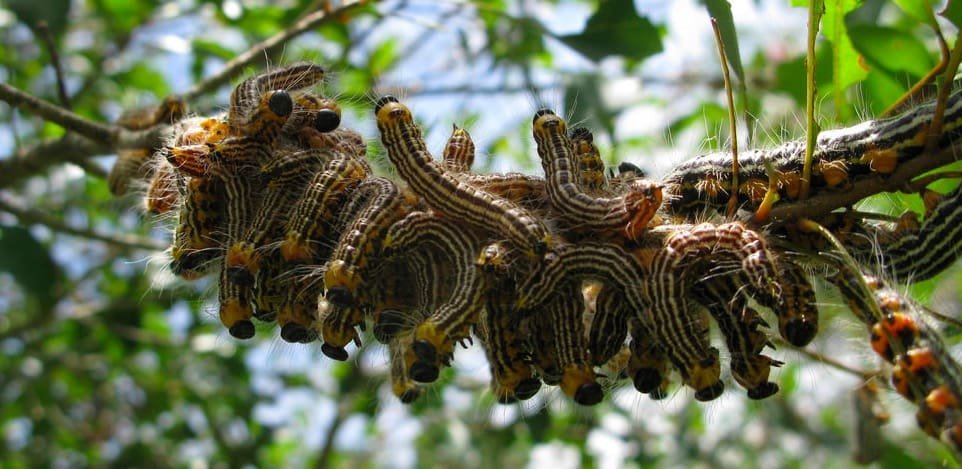
A host plant is a plant that insects use to lay their eggs and feed their young. Just as people and animals need specific foods to survive, many caterpillars can only eat certain plants.
For example, a monarch butterfly will only lay its eggs on milkweed. Without milkweed, monarch caterpillars cannot survive.
The same is true for hundreds of other butterfly and moth species. Their caterpillars have evolved alongside native plants for thousands of years and depend on them for food.
This means that a garden full of beautiful flowers may attract butterflies, but if those plants are not host plants, the butterflies may have nowhere to raise their young.
Why Native Oaks Are So Important
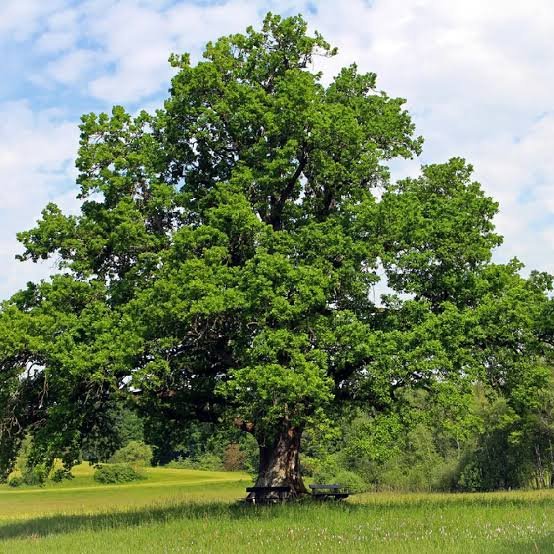
One of the best examples of this relationship is the native oak tree.
A native oak can support more than 500 species of caterpillars. That number is remarkable when compared to many non-native trees, which may support only a handful of insect species—or none at all.
Think about that for a moment.
A single mature oak tree can act as an entire ecosystem. It provides food for insects, shelter for wildlife, acorns for mammals and birds, and shade for people.
Many homeowners worry when they see caterpillars eating leaves. In reality, a healthy tree can tolerate a surprising amount of insect feeding. Those caterpillars are performing an important role in nature.
In fact, they are one of the most important food sources for birds.
The Connection Between Caterpillars and Birds
Most songbirds feed their babies insects, especially caterpillars.
Research has shown that chickadees need thousands of caterpillars to successfully raise a single brood of young birds. When native plants disappear from our landscapes, caterpillar populations decline, and birds lose an important food source.
This is one reason why native gardens are so valuable. They help support the entire food web, not just pollinators.
Nectar Plants vs. Host Plants
A simple way to think about it is this:
Nectar plants are like restaurants for pollinators.
Host plants are like nurseries.
A healthy ecosystem needs both.
The best gardens provide food for adult insects and a place for them to raise the next generation.
Great Native Host Plants for Long Island
• Oak Trees (Quercus species)
• Black Cherry (Prunus serotina)
• Milkweed (Asclepias species)
• Goldenrod (Solidago species)
• Native Sunflowers (Helianthus species)
• Willows (Salix species)
These plants support wildlife while also bringing beauty and seasonal interest to your landscape.
Every Garden Can Make a Difference
The next time you’re choosing plants, ask yourself not only, “Will pollinators visit this plant?” but also, “Can this plant help raise the next generation?”
By adding native host plants to our gardens, we can support butterflies, moths, bees, birds, and countless other beneficial creatures. Together, we can create landscapes that are beautiful, resilient, and full of life.
We look forward to continuing to work with you to keep your garden thriving through the hottest months of the year.
Follow us on our socials: Instagram, Facebook , and Youtube for daily updates..
Thank you for growing with us.
Agatha & the More Than Gardens Team